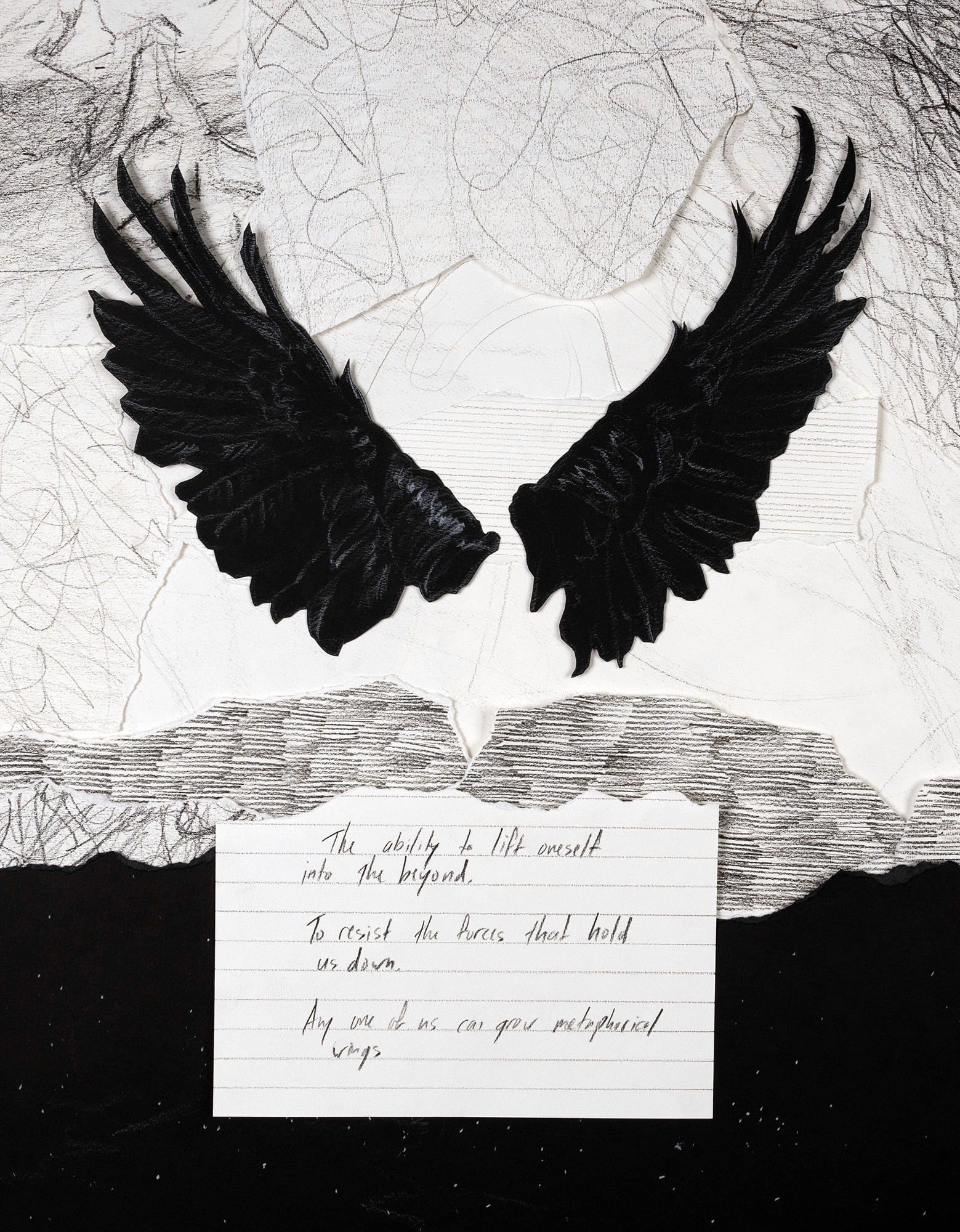
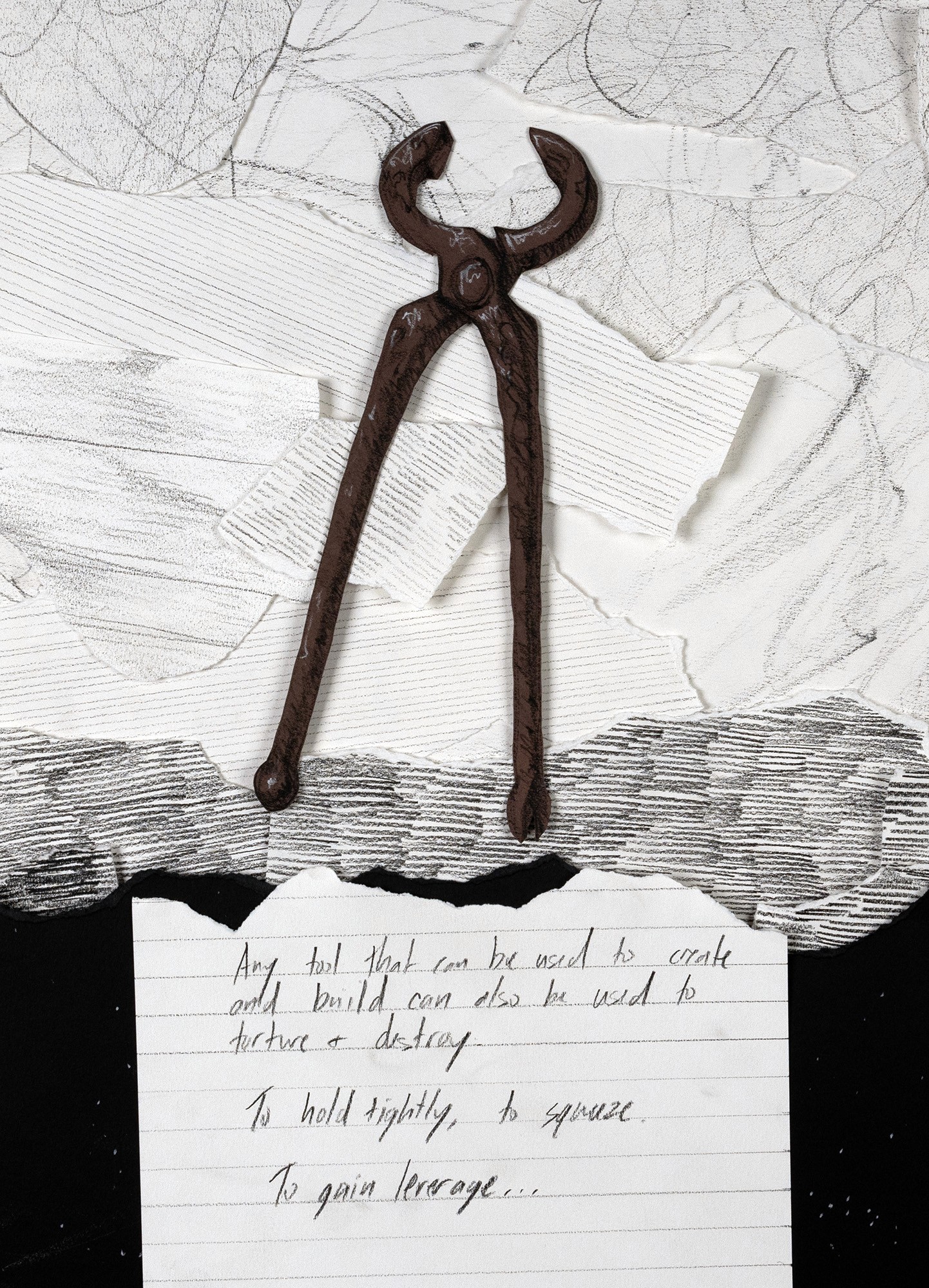
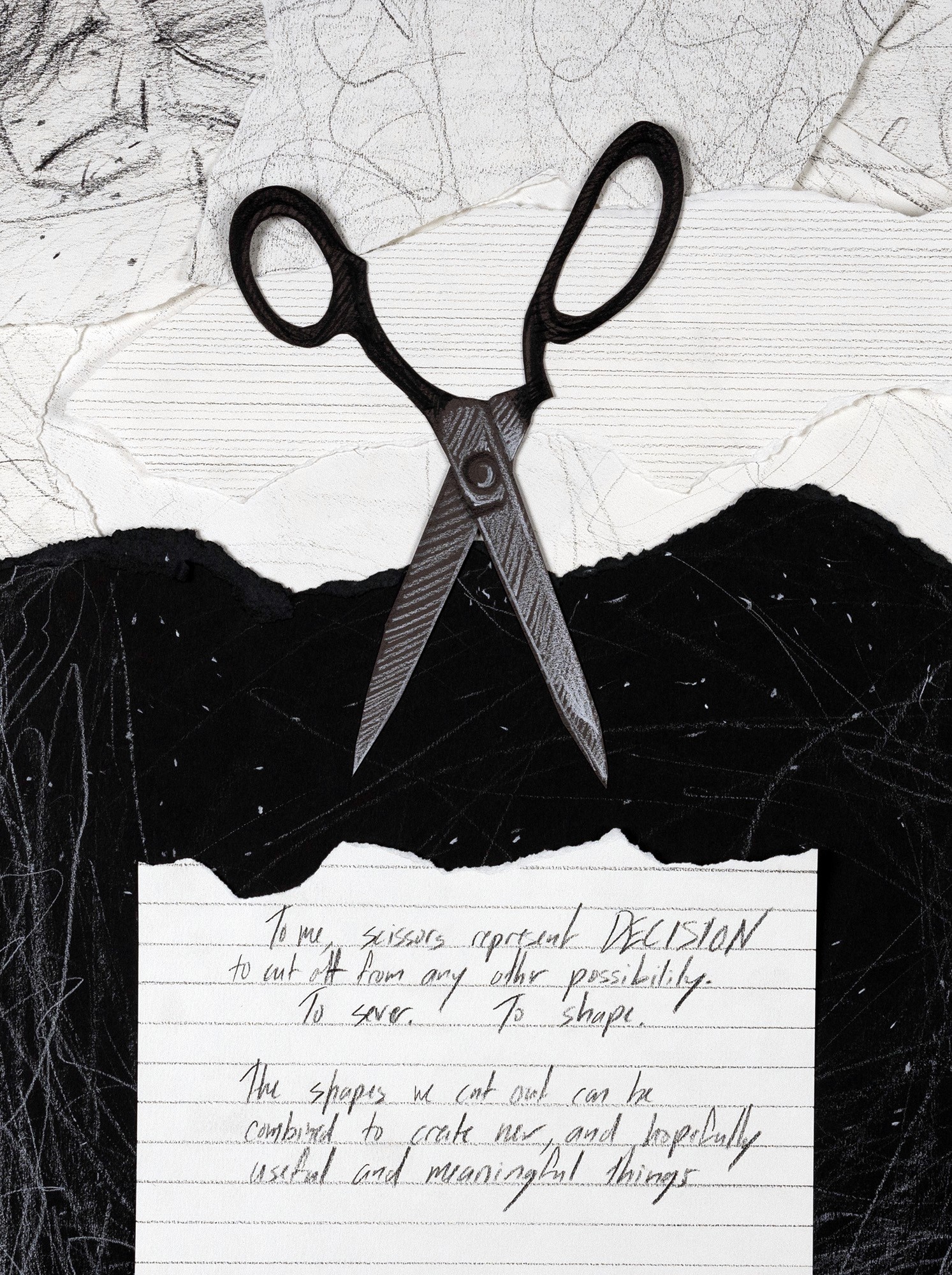
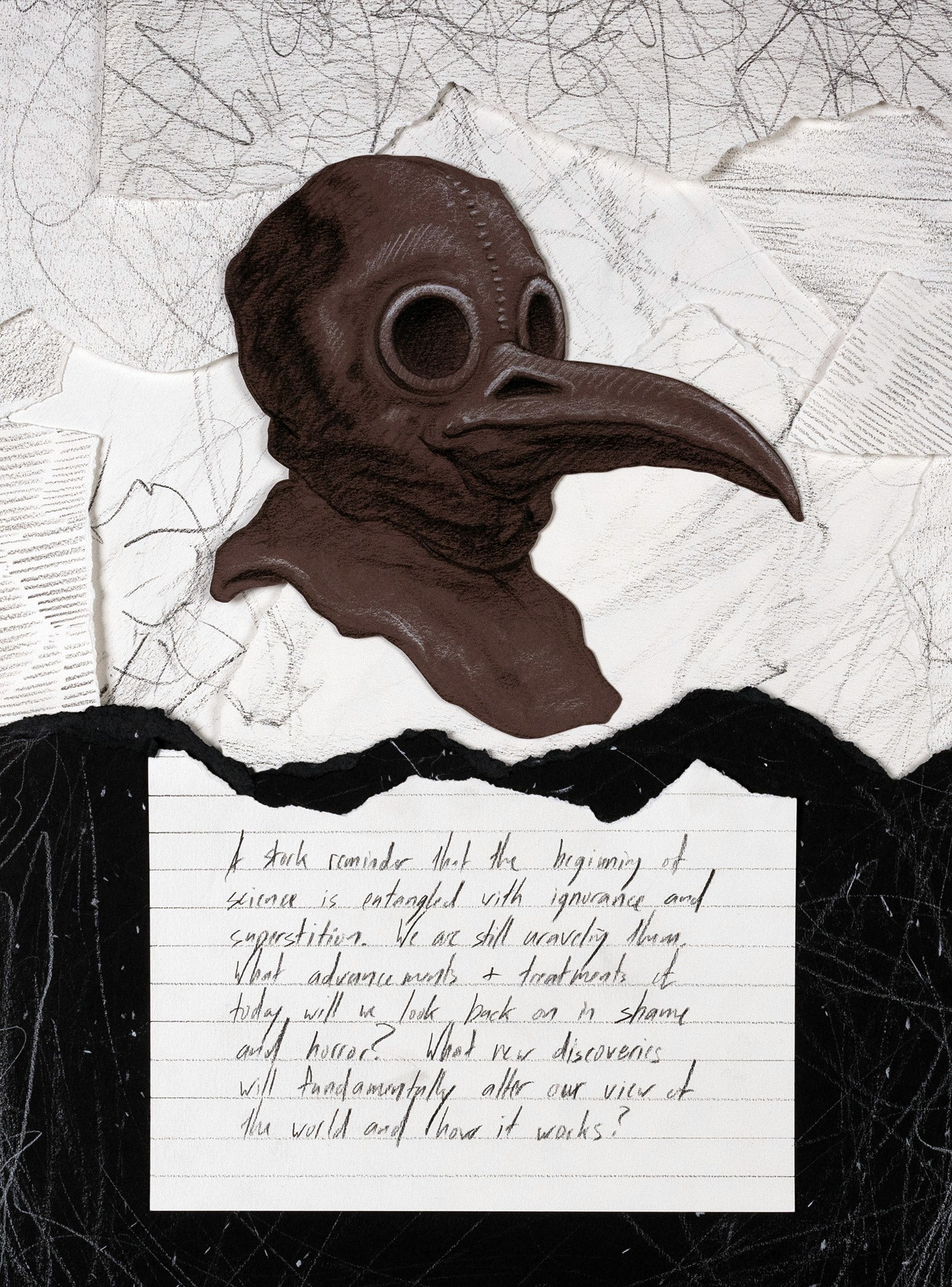
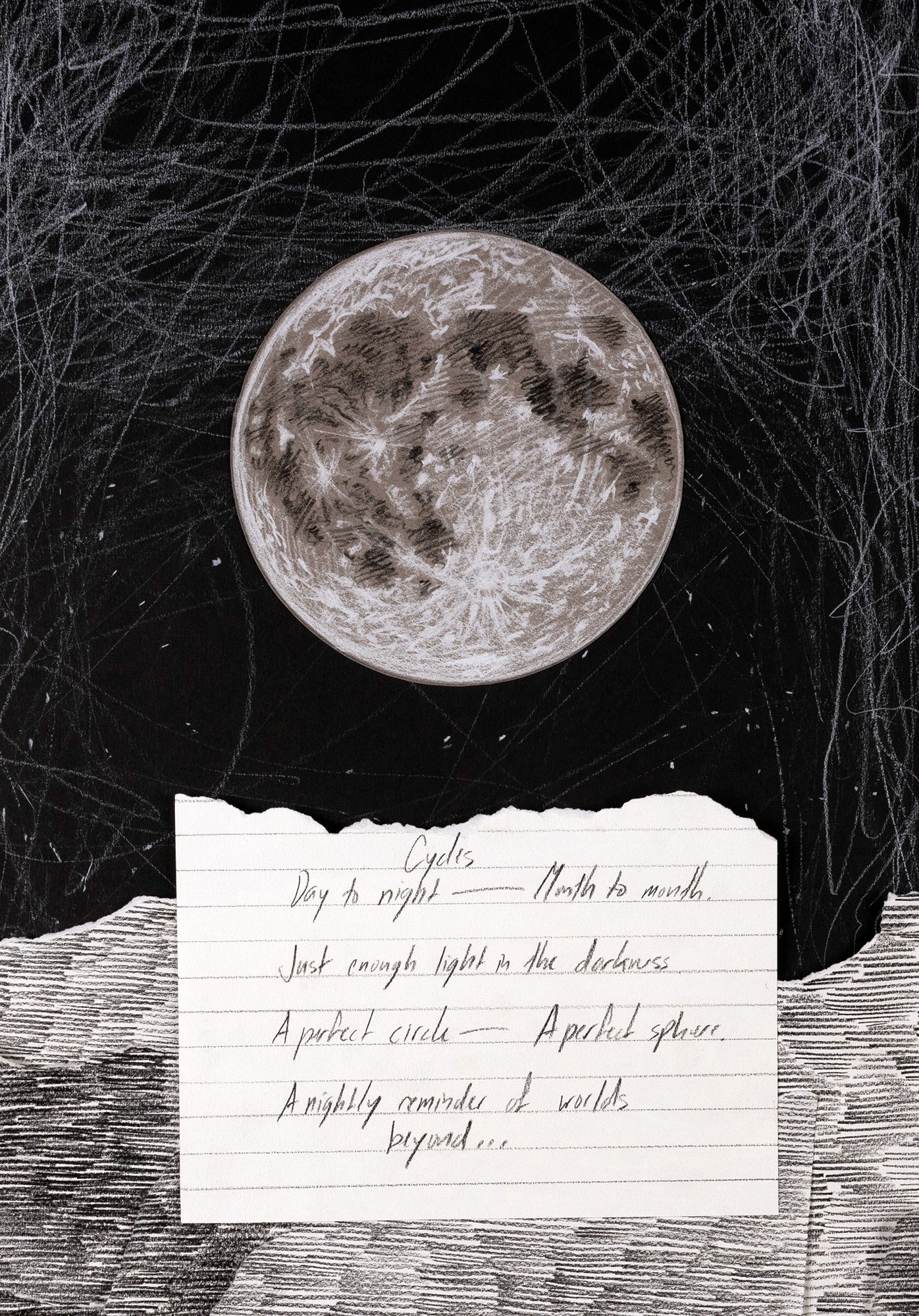
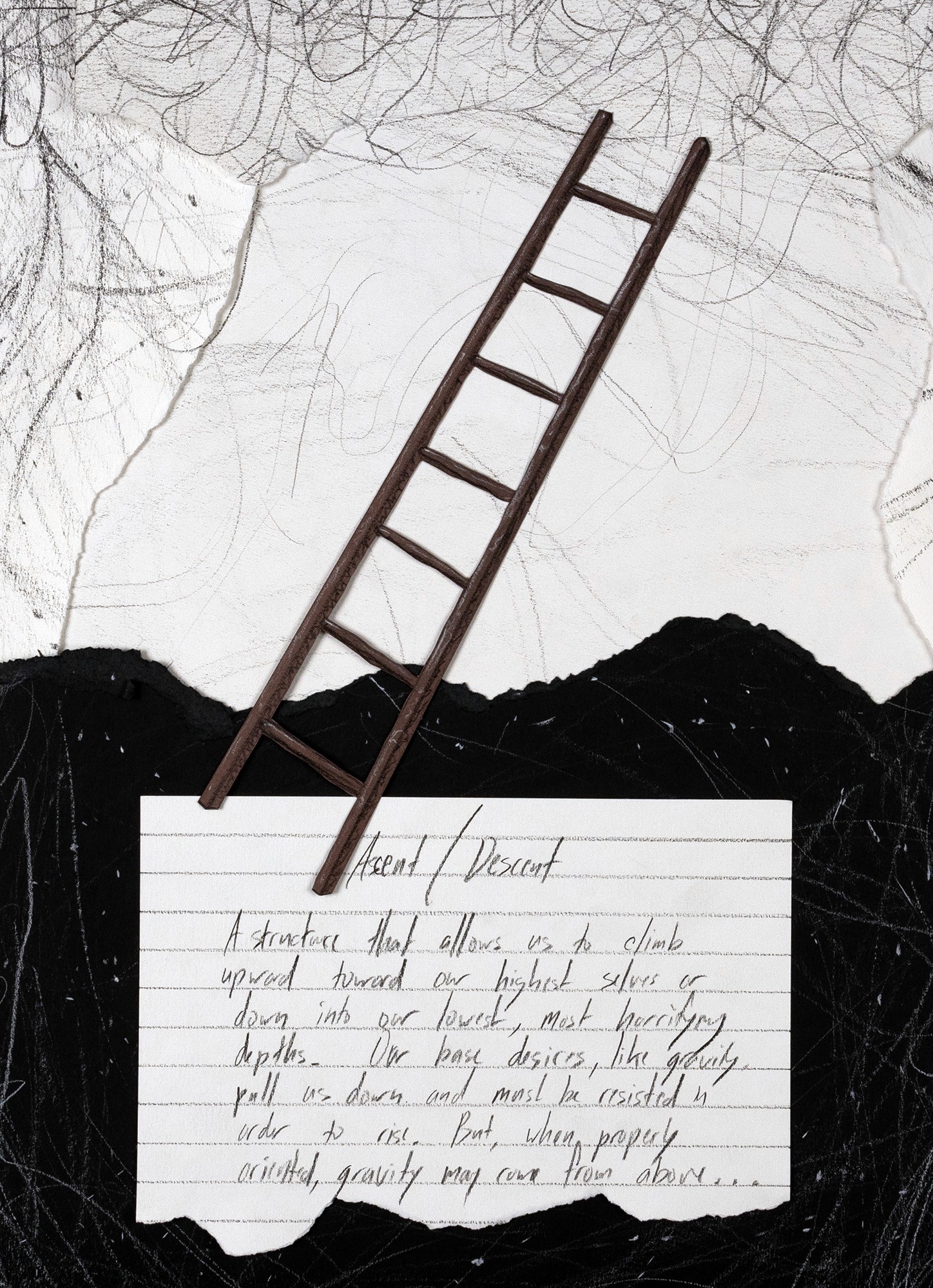
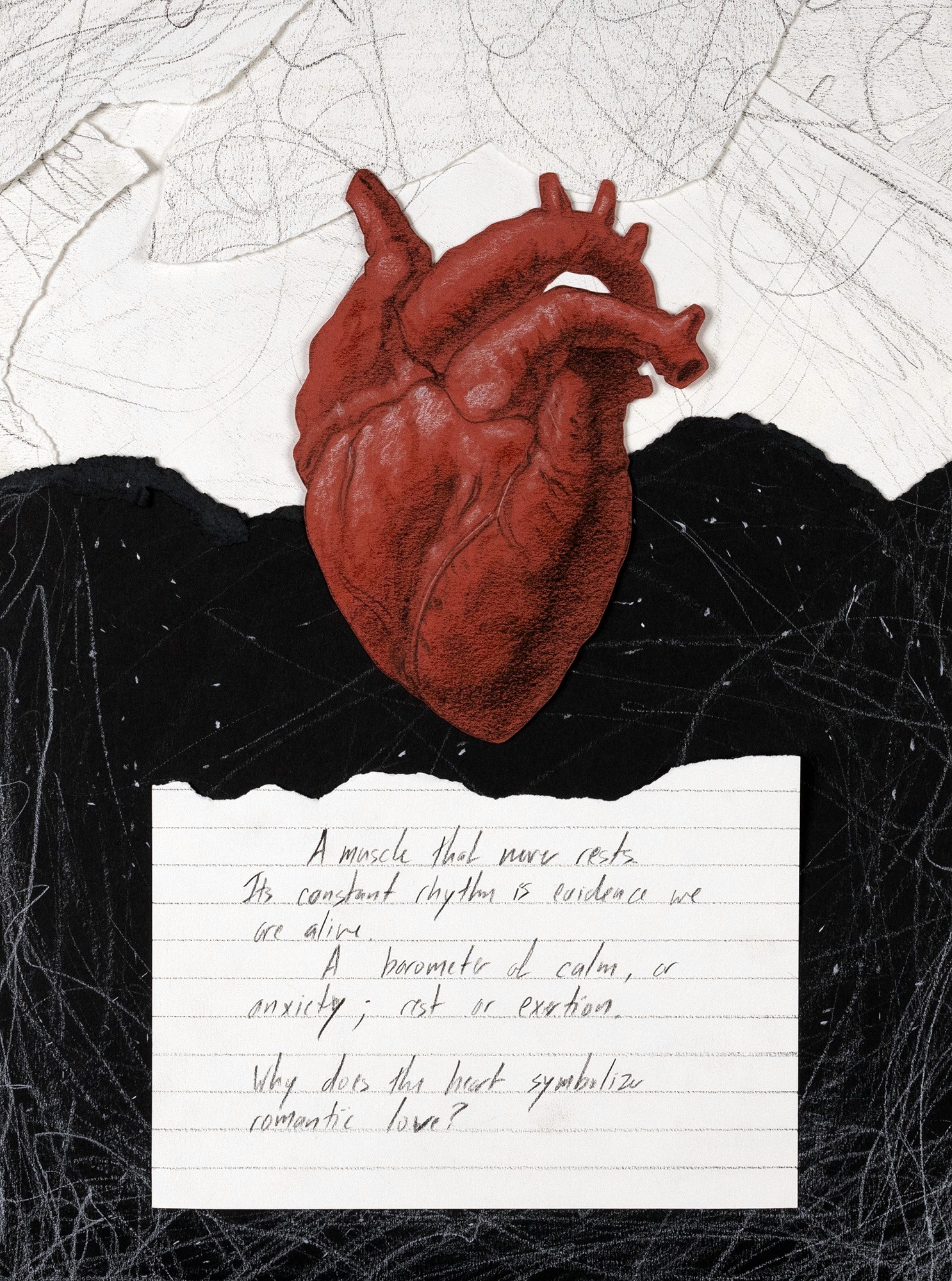
Over the years, I filled drawers with drawings of birds, tools, anatomy, plants, machines, clothing, and countless other fragments of the visible world. Most were never intended for sale or exhibition. Rather than leave them hidden away, I began cutting them apart and combining them into new forms.
Each drawing carries its own history and symbolic weight. Joined together, they seem to awaken into something greater than the sum of their parts. These creatures are not meant to be identified or explained. Whether they appear as creatures, symbols, dreams, or ideas made visible is for you to discover.
Brent Noel Eviston
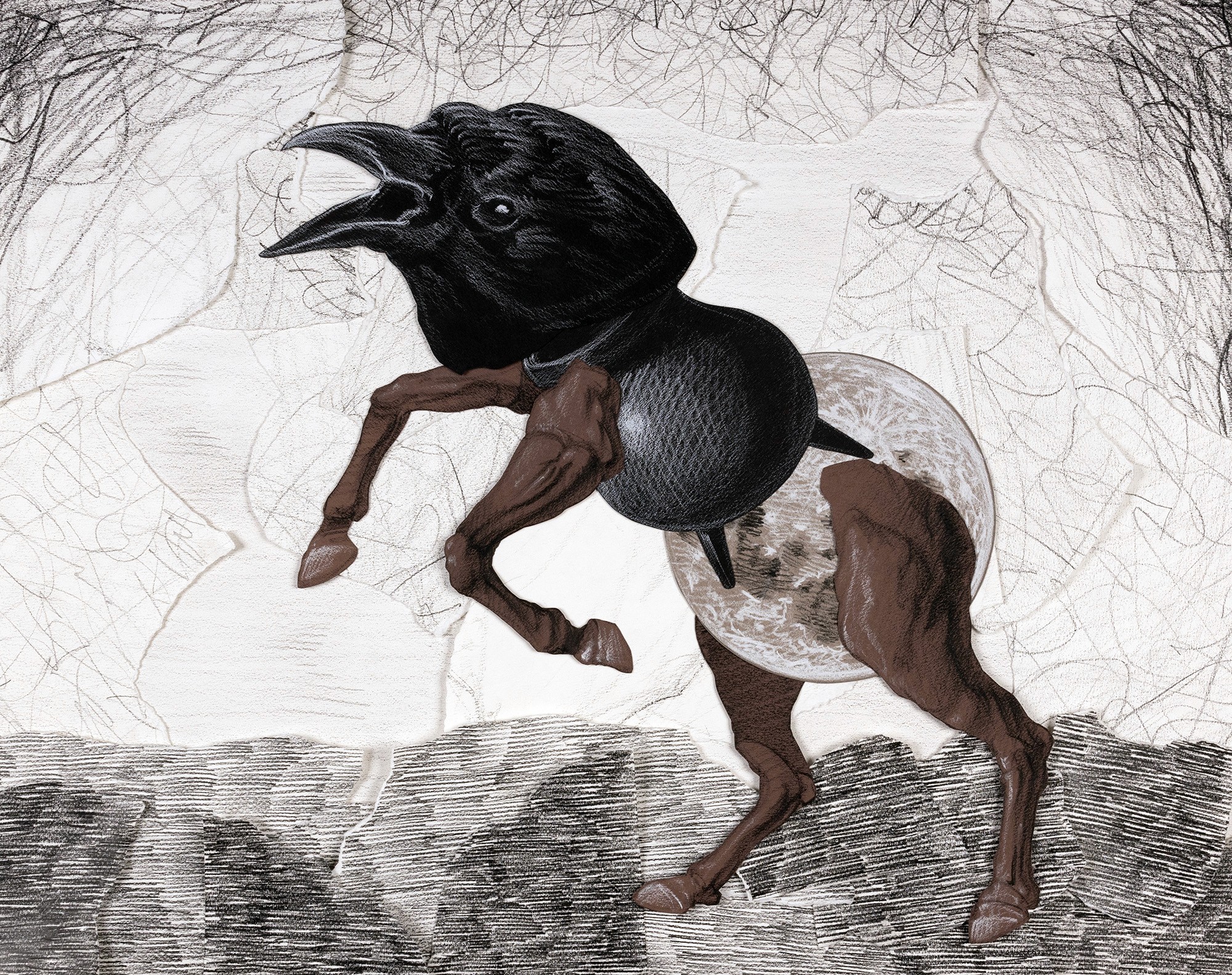
Some creatures announce themselves with color, others with song. This one seems built for proclamation. Is it calling others toward something, warning them away, or simply declaring its own existence? What kinds of voices do you instinctively trust, and which do you ignore?
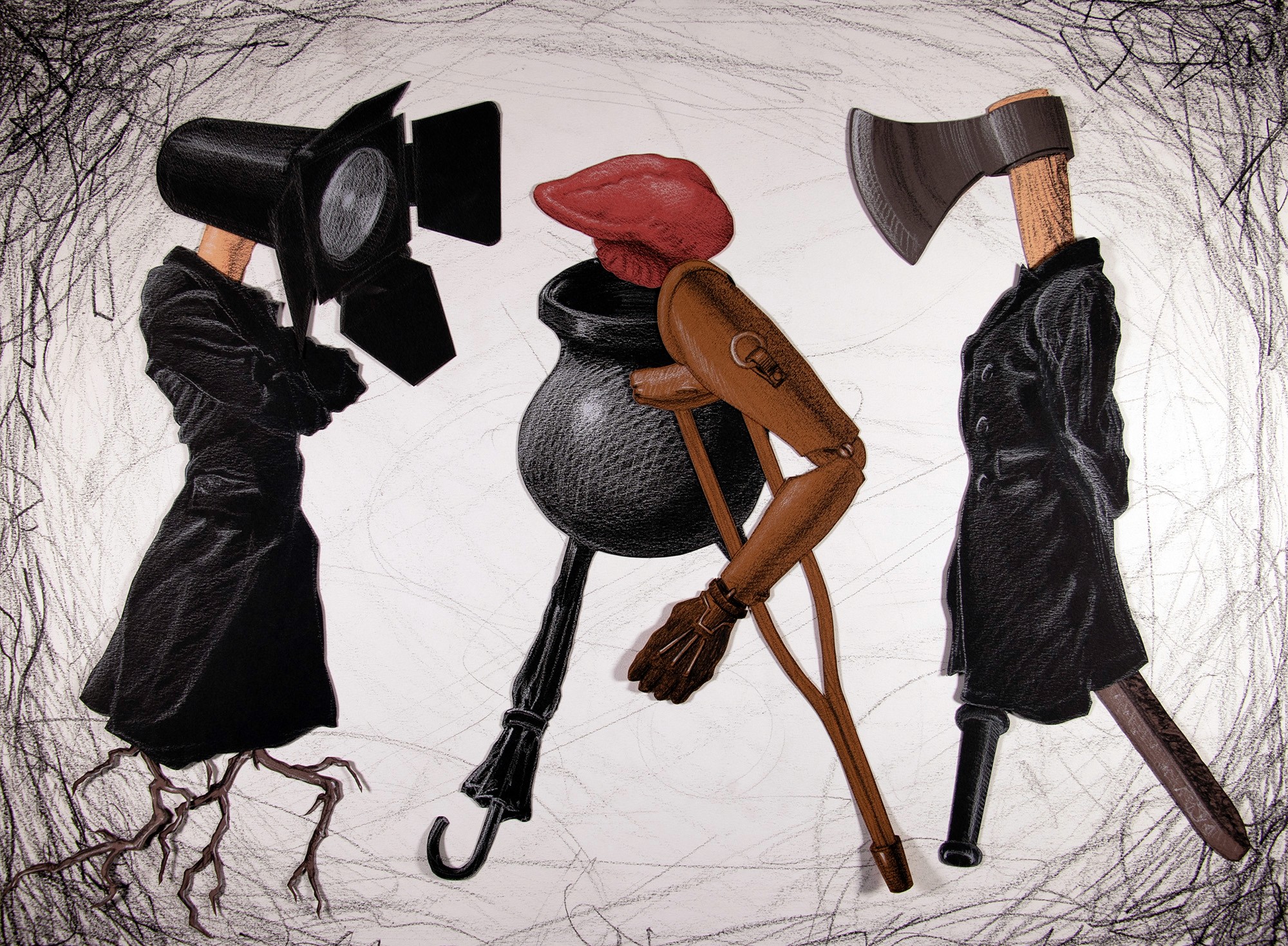
Some encounters illuminate. Others divide. Still others ask us to carry something forward. Which of these travelers do you understand most readily, and which one do you instinctively distrust? What role do you find yourself playing when lives intersect?
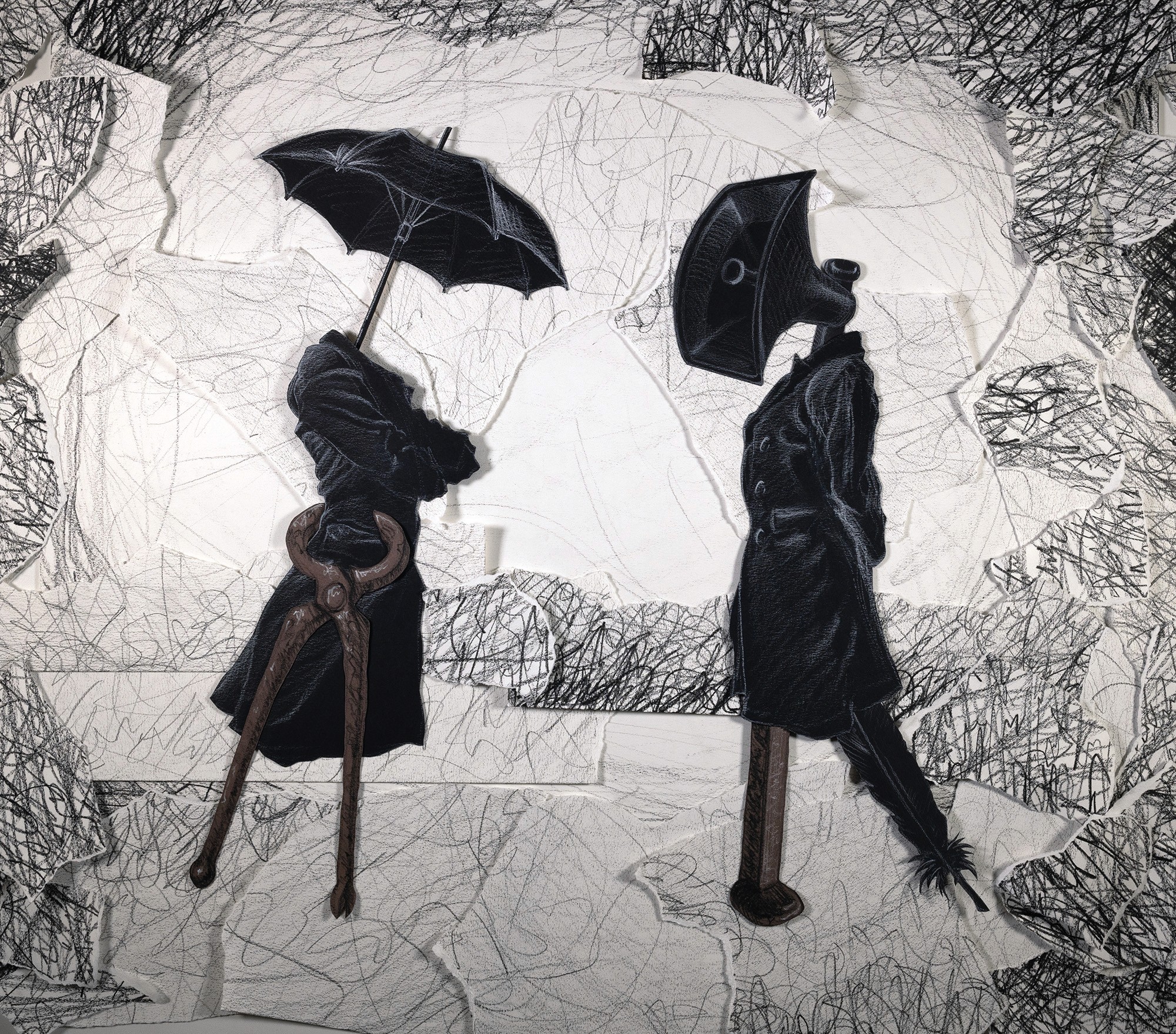
Every conversation is shaped as much by what we shield as by what we reveal. Which of these travelers do you think is listening, which is speaking, and what remains unspoken between them?
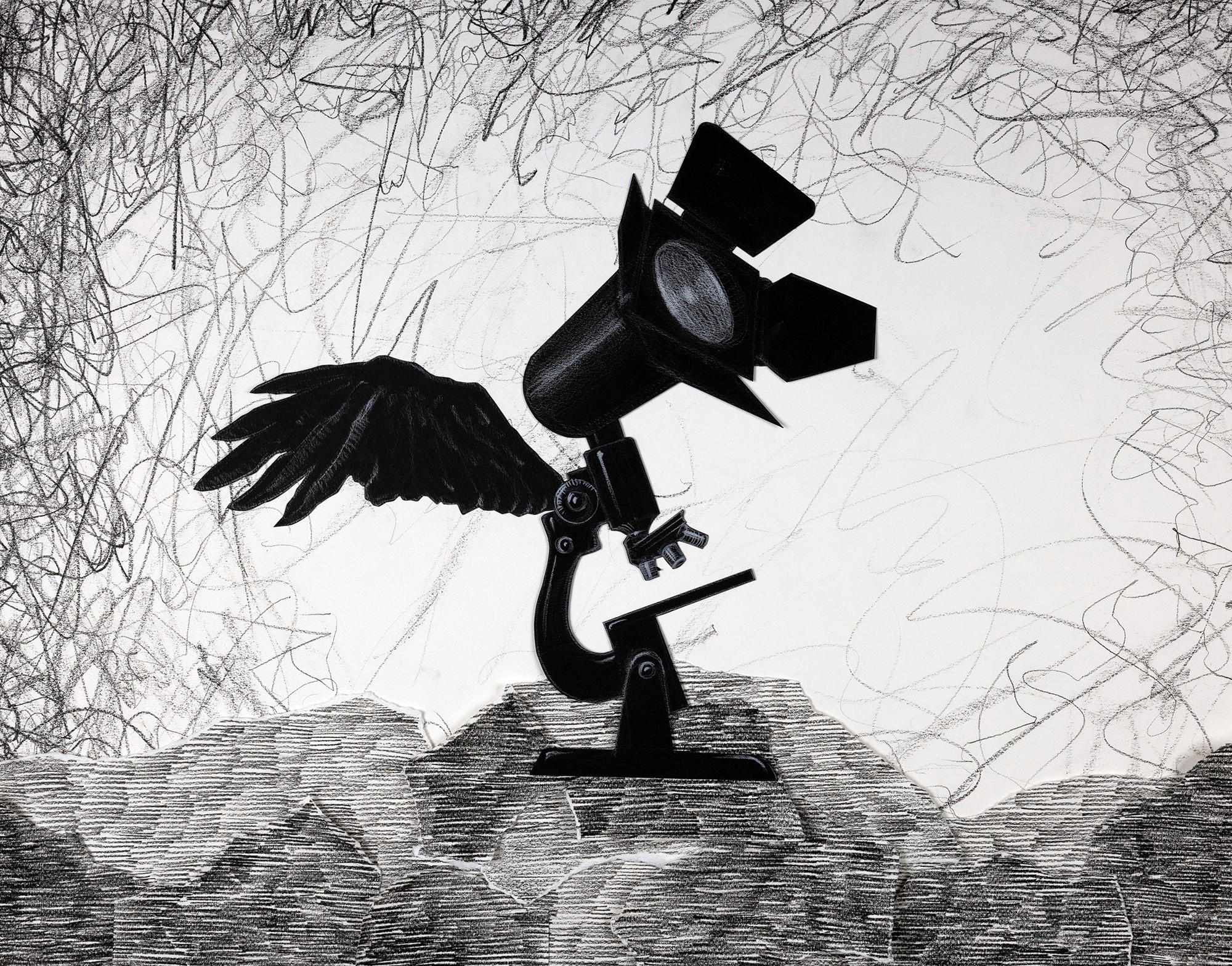
Some creatures search the world for what is already there. Others reveal what would otherwise go unnoticed. What does this one illuminate, and what remains just beyond the reach of its light?
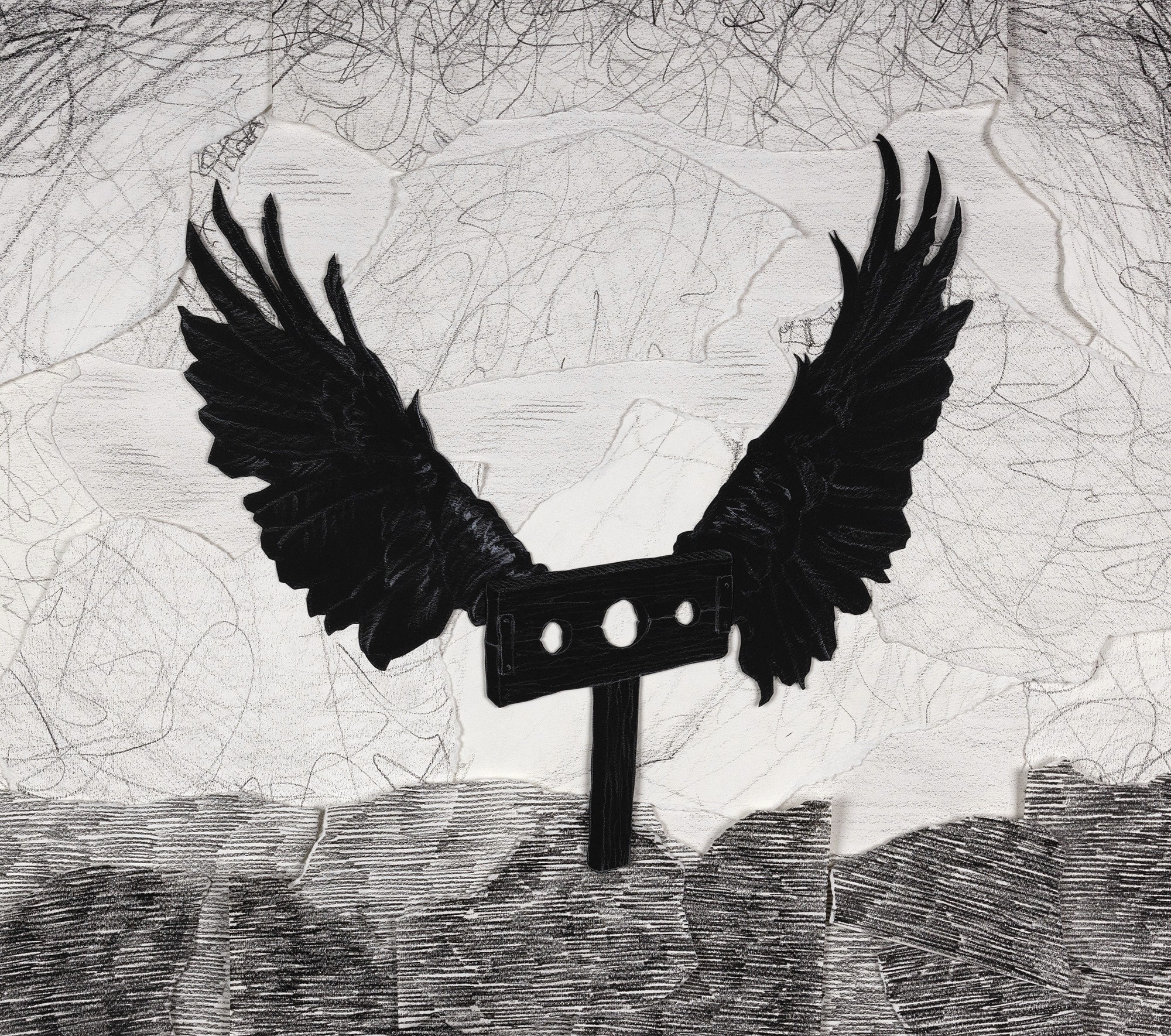
Some objects survive long after the stories that gave them meaning have been forgotten. Is this a fragment of history, a ceremonial object, or the remains of a creature no one remembers? What gives an ordinary object the power to become sacred?
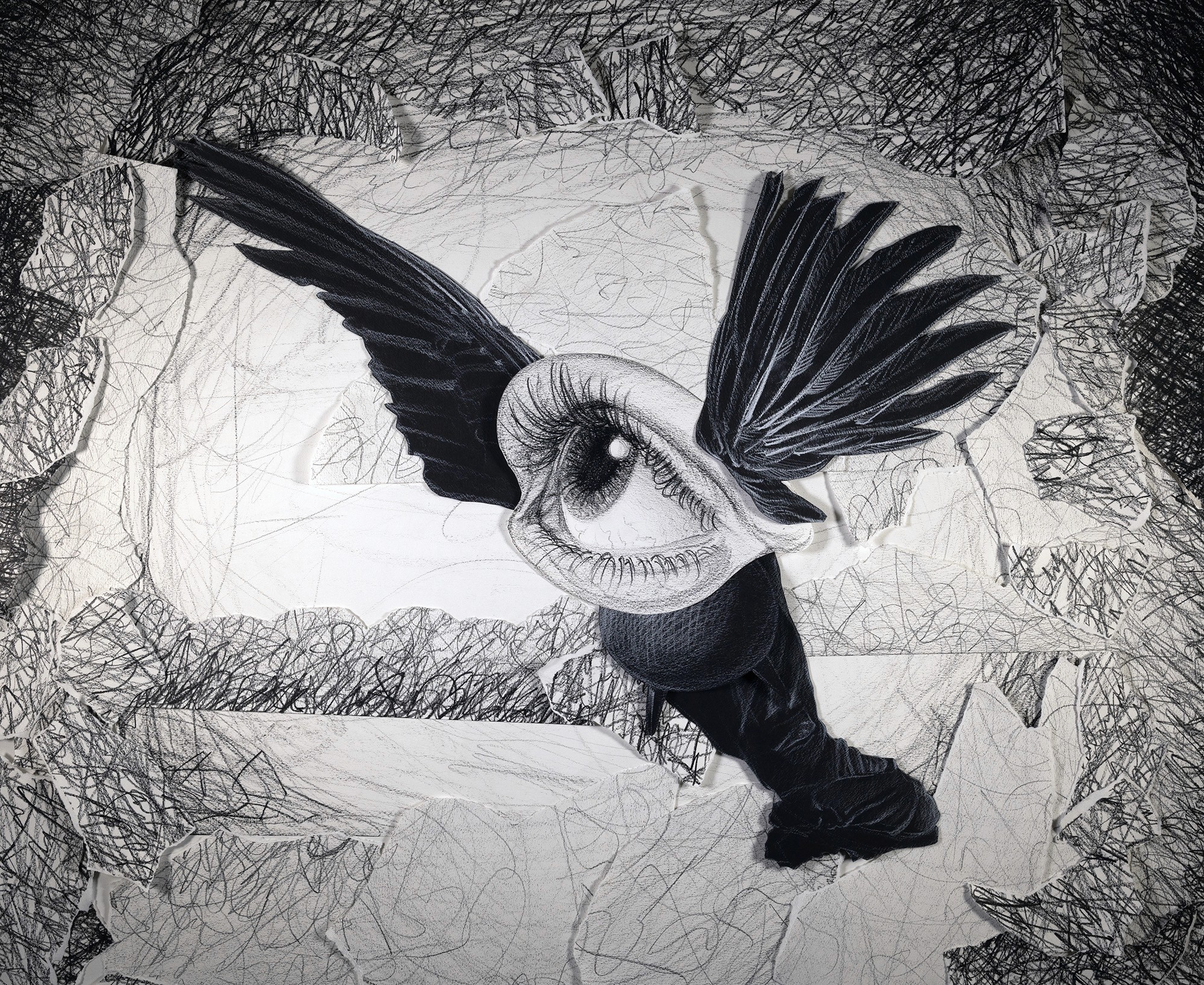
Some creatures exist to hunt. Others to build. This one seems devoted to seeing. What is worthy of such unwavering attention, and what might become visible only after years of patient observation?
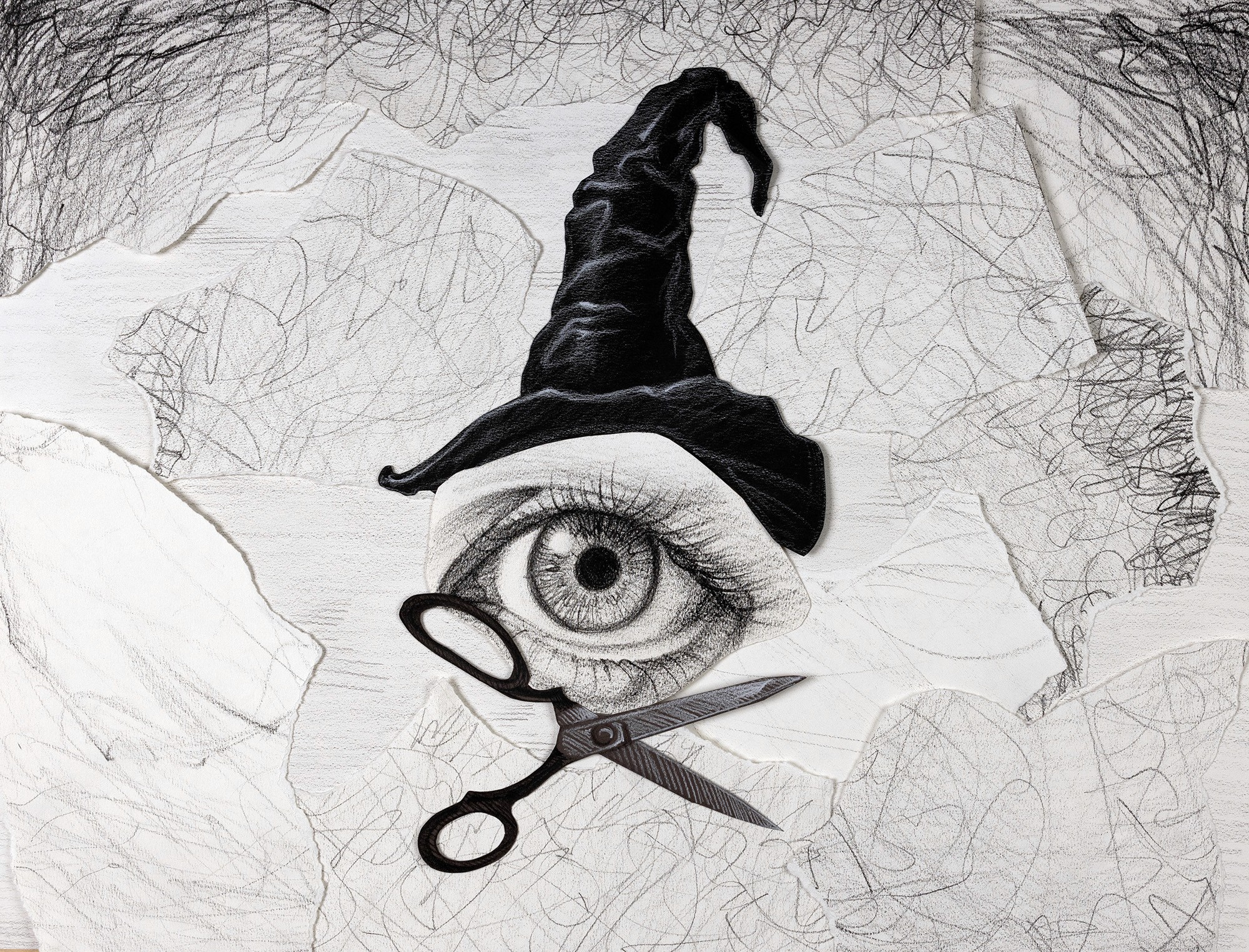
Every act of seeing is also an act of separation. To notice one thing is to leave another behind. What does this creature choose to cut away, and what does it decide is worth preserving?
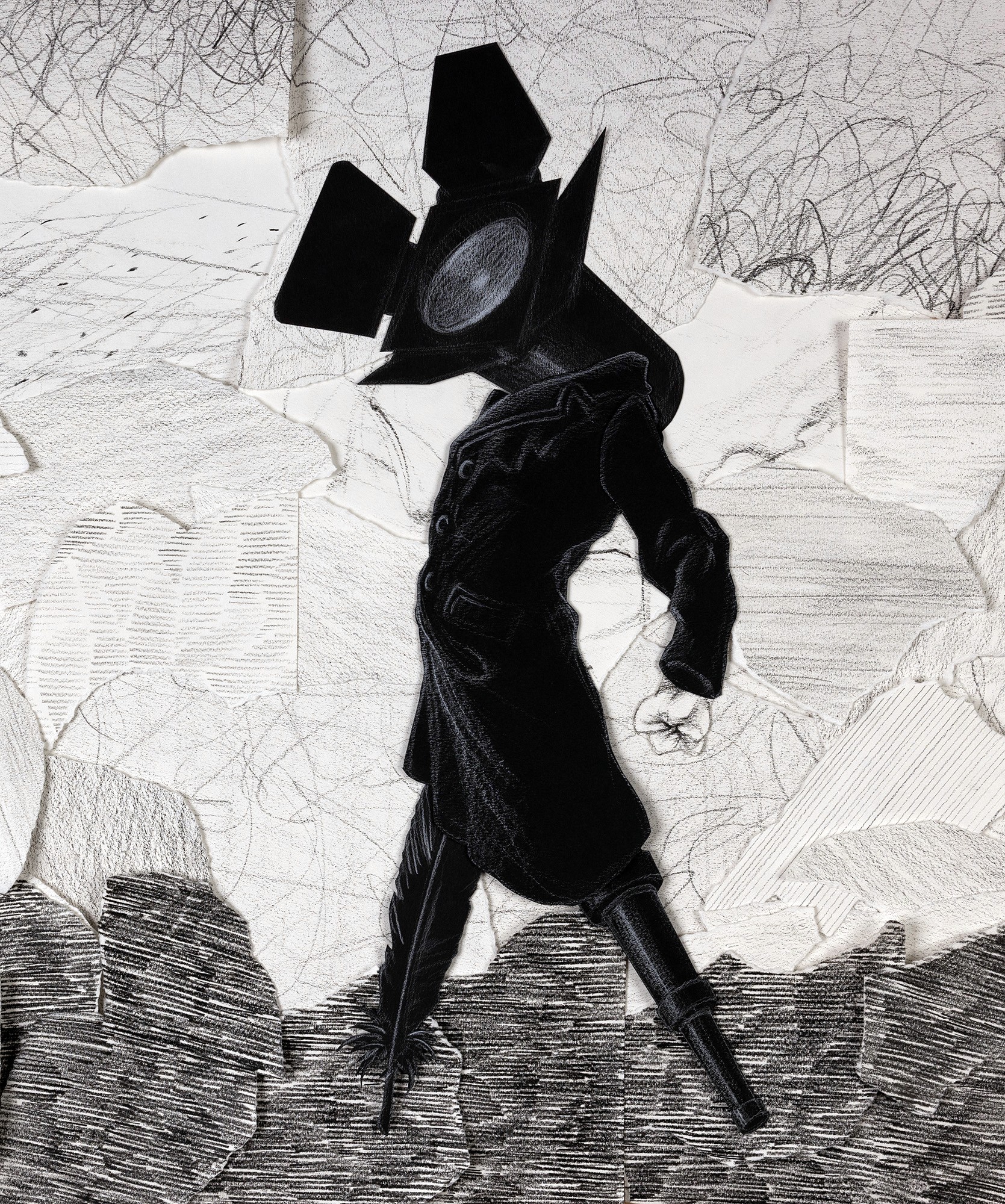
Some truths whisper. Others demand a stage. Does this creature reveal what matters, or simply decide where everyone else will look? Who, or what, has the spotlight in your own life?
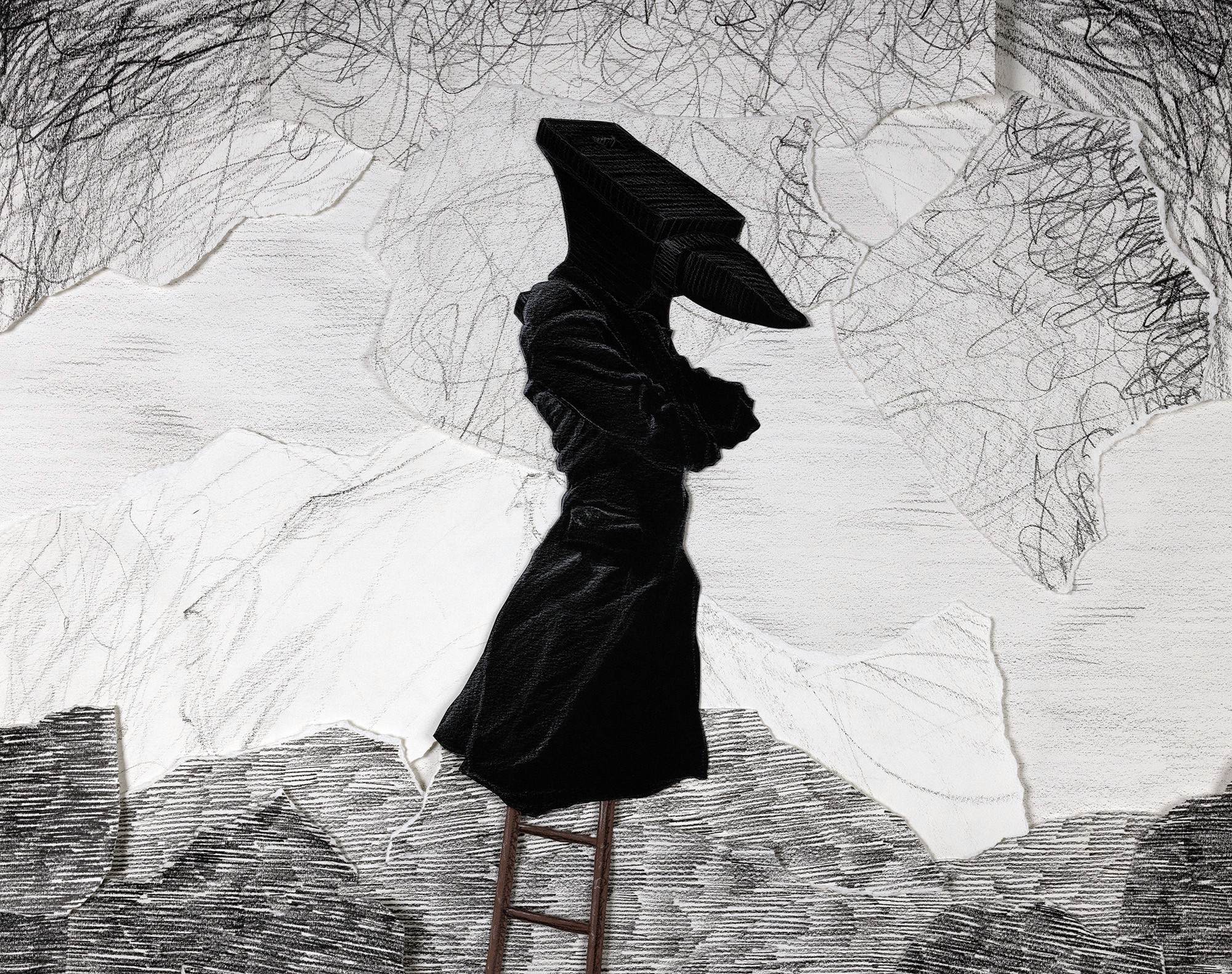
Some creatures shape the world with force. Others with patience. This one carries both the burden and the possibility of transformation. What in your own life is still waiting to be forged?
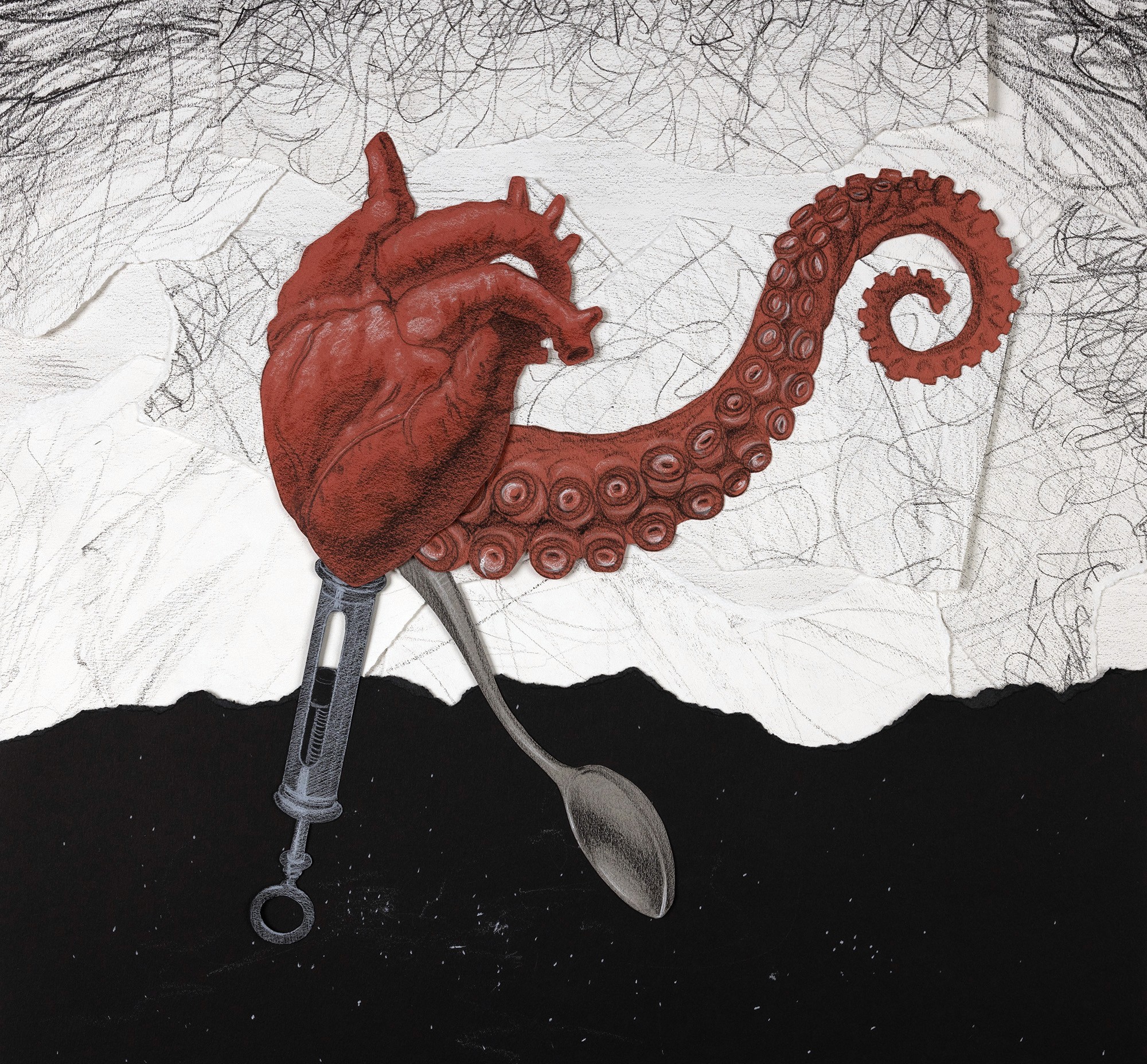
Some transformations happen to us. Others we willingly invite. Whether this vessel contains a remedy, a poison, or the beginning of something entirely new depends on what you believe the heart is capable of becoming.
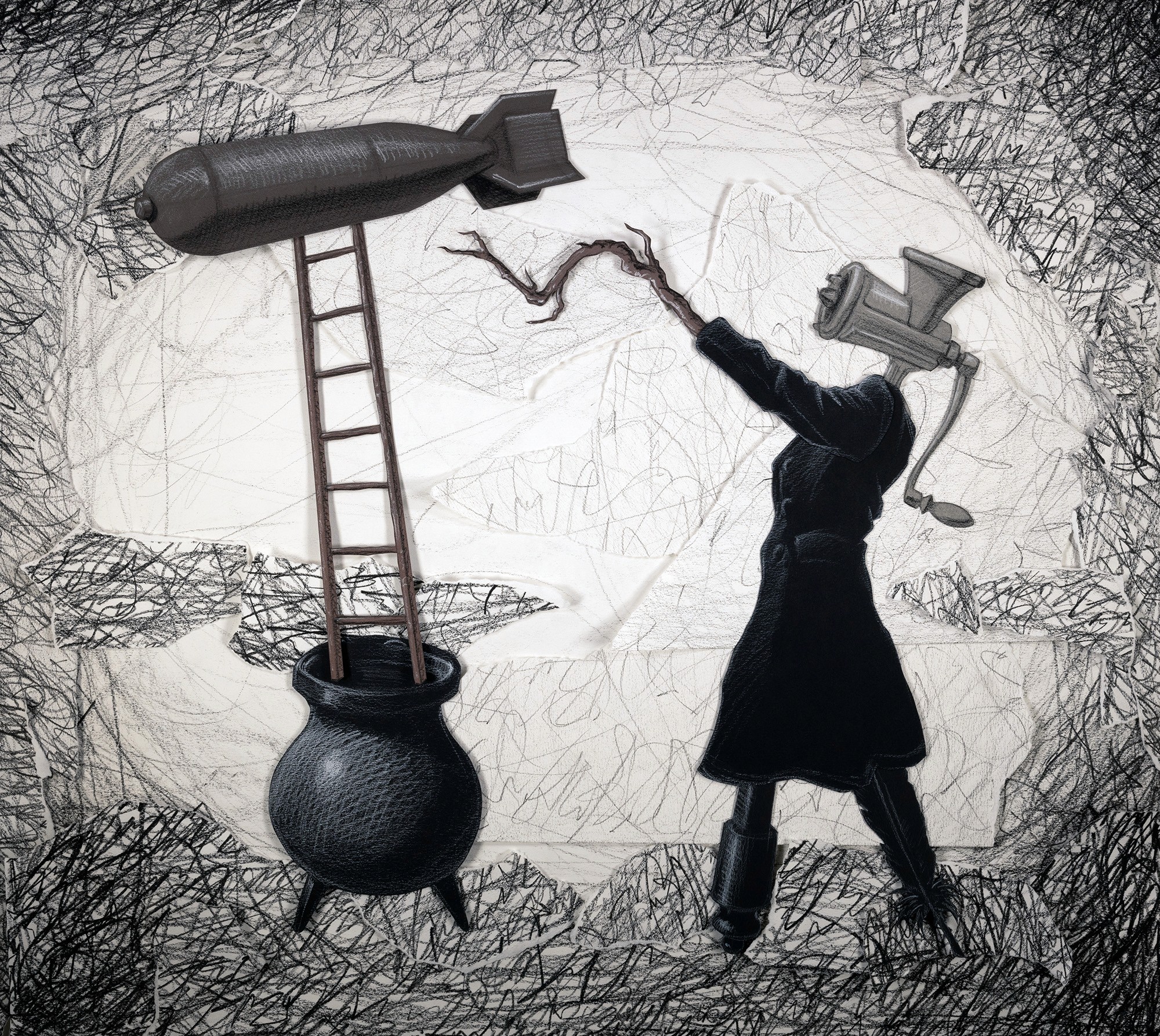
Every meaningful discovery begins as an uncertain experiment. Some fail quietly. Others transform the world forever. What do you imagine this strange apparatus is trying to create?
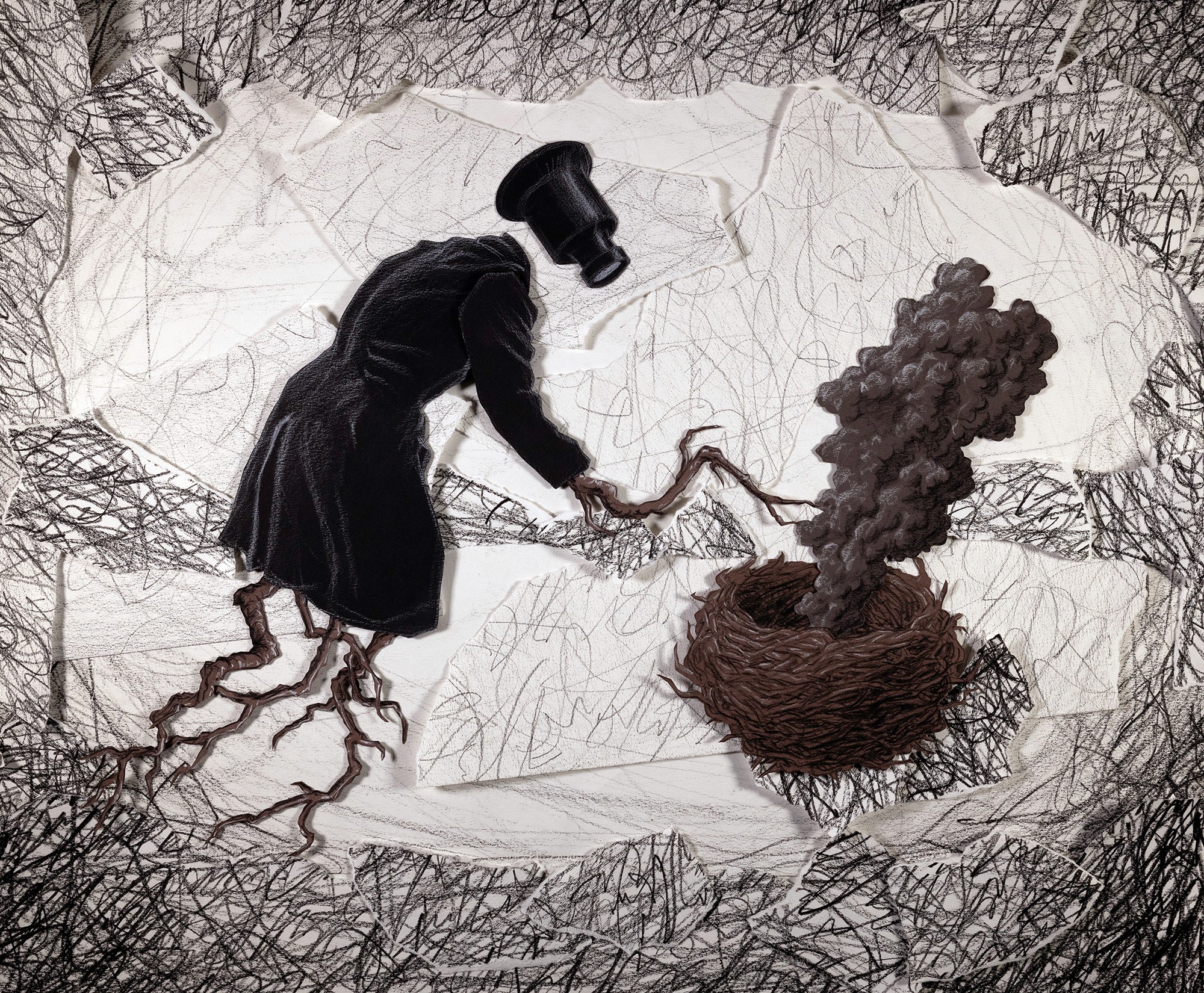
Not everything worth cultivating grows in soil. Some ideas, relationships, and futures require patient care long before they reveal themselves. What do you imagine is taking shape in this nest?
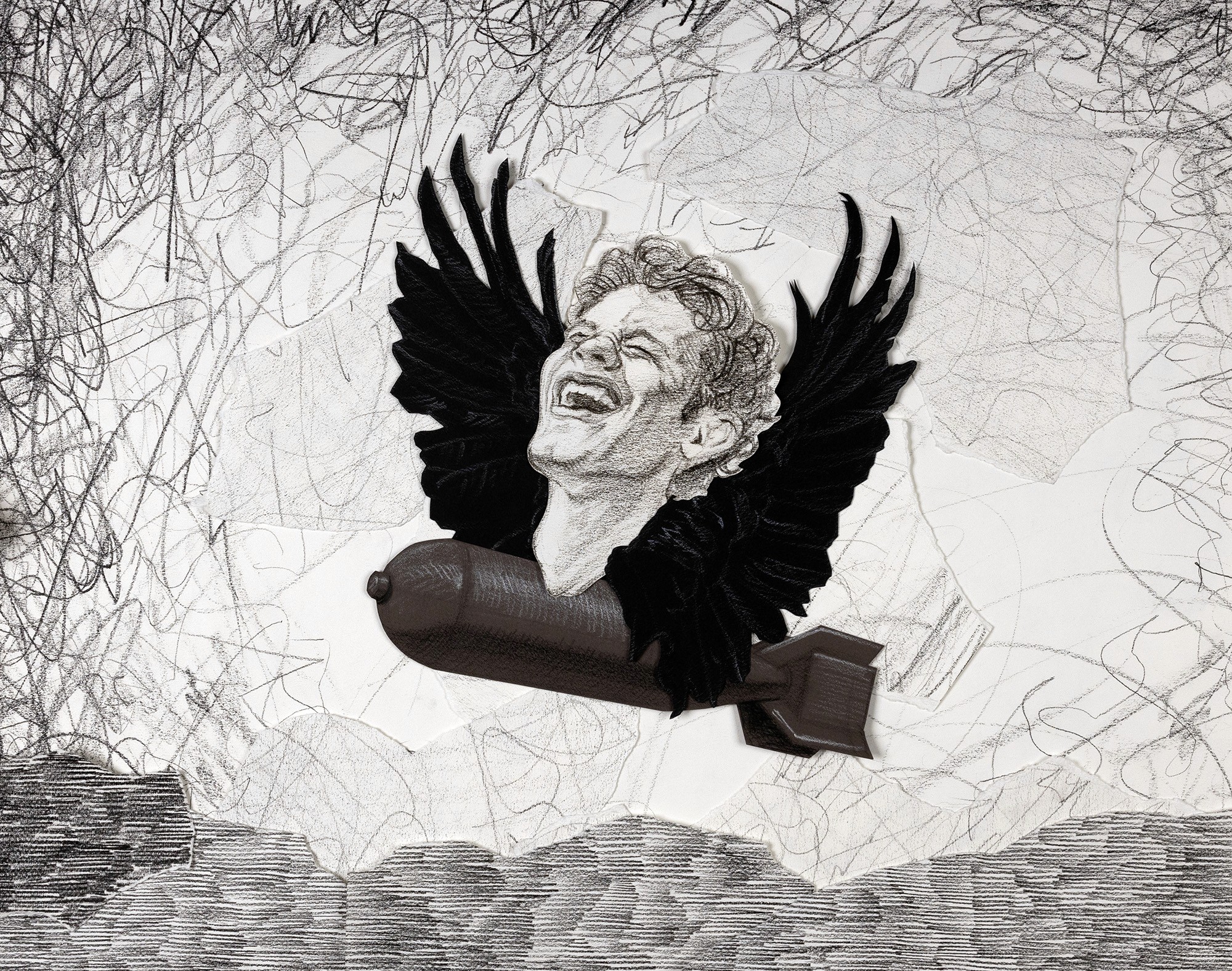
Joy has a peculiar relationship with danger. Sometimes the things capable of changing the world arrive wrapped in delight rather than fear. What carries you farther than caution ever could?
My original pareidolia drawings are created with black pencil on white paper. But unlike my traditional, observational drawings, these imaginative works undergo a digital transformation. Once the drawing is complete, I invert its values so the paper becomes dark and the graphite lines glow. I then tint the image—an intuitive process inspired by silent-film color techniques that creates atmosphere and mood. The resulting image restores the white of the paper specimens and has an ethereal glow, giving the paper forms an almost apparition-like presence.
Each drawing in this exhibition is first presented as a softened, cloud-like impression of what might be there. Explore what you see. Develop your own interpretation of the shapes and forms, then click the image to reveal my interpretation.
Viewers often see surprisingly specific beings in these drawings—creatures with distinct genders, ages, intentions, or emotional states. What fascinates me is how frequently these interpretations differ from my own.
For me, this project is part art, part science, and part séance. It invites me to ask: why did my mind choose these forms? What does this reveal about my identity, my archetypes, or the inner models I use to make sense of the world? Who are these entities that surfaced from random folds of paper—and why these, and not others?
And you, dear viewer: your interpretations almost certainly differ from mine. Why did your mind gravitate toward the forms it chose? What might those figures reveal about your own inner landscape?
In this way, the exhibition becomes a collaboration between us. My drawings are only one version of what these shapes could become. Your interpretations complete the picture. This exhibit is as much about your inner world as it is about my own.
As you continue exploring—or revisiting—these images, notice what appears first, what shifts over time, and what stays. Pareidolia has a way of revealing more than we expect.
MEANING COLLAGES